From ReLU to Berkeley: Jørgen’s Journey into the Heart of AI
What happens when you combine a hunger for machine learning, a strong student community at NTNU, and a semester in Silicon Valley?
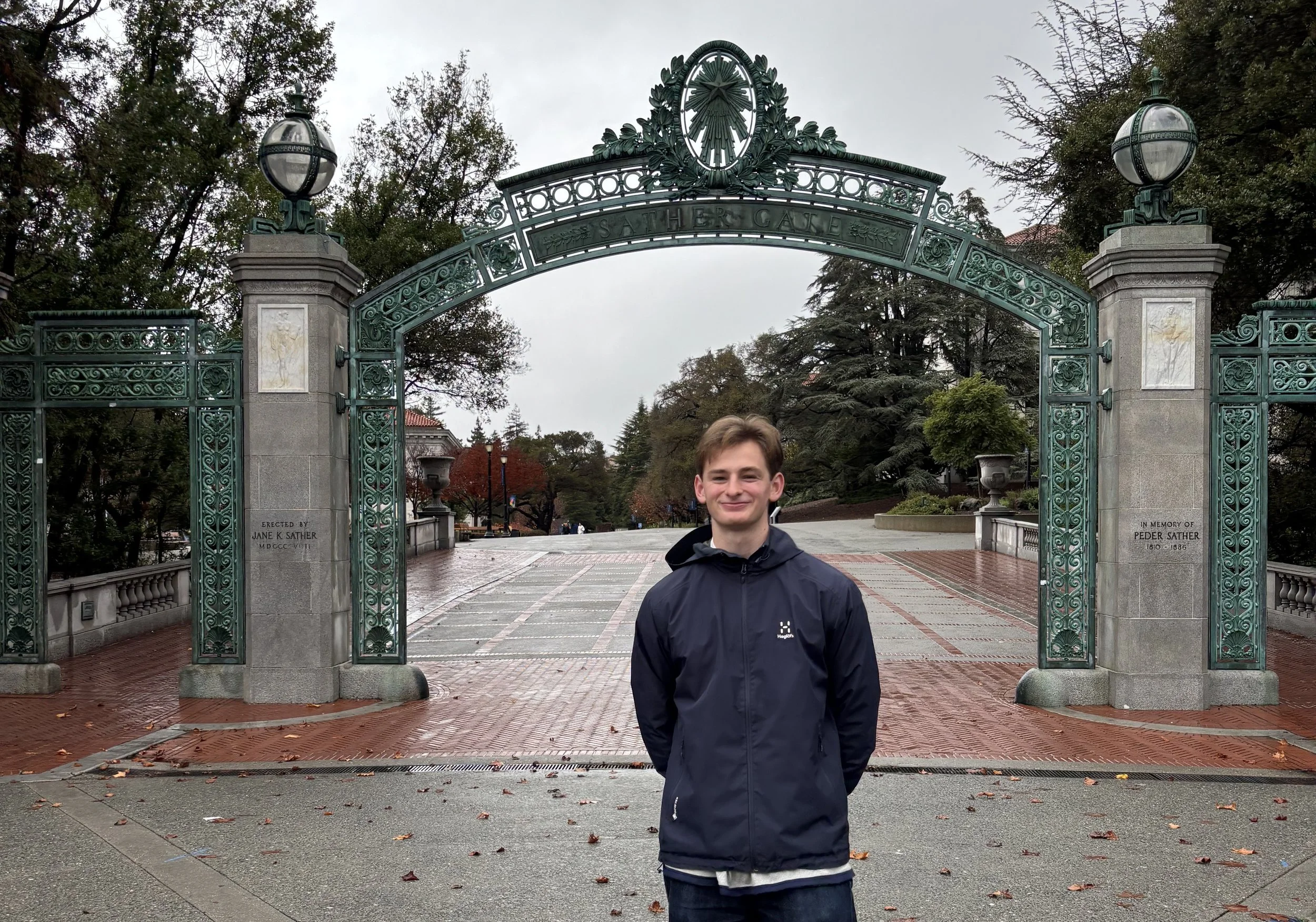
We recently caught up with Jørgen, a ReLU member who is currently on exchange at UC Berkeley. We wanted to hear about his transition from Trondheim to the competitive academic landscape of the U.S., his experience participating in San Francisco hackathons, and how his time in ReLU prepared him for the global stage
Here is a look into Jørgen’s journey, the cultural differences he’s encountered, and his advice for aspiring AI engineers.
The ReLU Foundation
For Jørgen, the journey didn't start in California; it started in Trondheim with a simple desire to understand the buzz around Artificial Intelligence.
"I initially wanted to join ReLU because I understood that AI would be an important area for anyone studying computer science," Jørgen told us. But it wasn't just the topic that drew him in—it was the people. After looking up the founders and seeing their backgrounds from places like MIT, Harvard, and Berkeley, he knew this was the place to be.
"Even though the founders were more experienced, they were genuinely interested in helping newer students learn and grow," he recalls.
That supportive environment paid off quickly. As a first-year student, Jørgen was thrown into a real-world project with Kjeldsberg Eiendomsforvaltning. It wasn't a textbook exercise with a clear answer; it was a challenging time-series project involving everything from XGBoost to Variational Autoencoders (VAEs).
"I learned a lot about what it is actually like to work on a real machine learning project, including the ambiguity and practical challenges that come with it," he says. This hands-on experience was crucial, eventually helping him land his first summer internship as a Machine Learning Engineer at Å Energi.
The Berkeley Experience: "Night Culture" and High Intensity
Moving from NTNU to UC Berkeley brought a shift in pace and culture. Jørgen describes the environment in the U.S. as incredibly inspiring, but significantly more intense.
"The workload at Berkeley is significantly higher," he admits. Unlike the Norwegian model where grades often hinge on a single final exam, Berkeley demands consistent performance throughout the semester. But the biggest surprise? The "Night Culture."
"The library can be almost empty around 08:00, but completely full late at night, sometimes as late as 03:00," Jørgen says. "This feels very different from Norway, where students often compete for study spots early in the morning."
However, the academic quality makes up for the sleepless nights. Jørgen highlights the "first principles" teaching style of the professors and the unique "DeCals"—student-led courses where you can earn credit learning niche topics from peers.
A Hub for Research
Beyond the shift in study hours, Jørgen points out another fundamental difference: the deep integration of research into the student experience. At Berkeley, engaging in research is far more common for both undergraduate and graduate students than it is back home.
"In several courses, conducting a genuine research project and writing an associated paper is actually part of the assessment," he explains.
Students are actively encouraged to get involved from the very start of their studies. This is made possible not only because there are far more research environments and laboratories at Berkeley than at NTNU, but also because these labs are much more willing to bring in non-PhD students as research assistants.
Jørgen believes this relentless focus on student involvement is a key reason why the university is a global powerhouse in his field.
"With this strong commitment and focus on research—both through teaching and lab opportunities—it is not surprising that Berkeley is among the world's leading universities in Machine Learning and Artificial Intelligence," Jørgen says. "This is something NTNU can definitely learn from, and which I believe Norway as a whole would greatly benefit from."
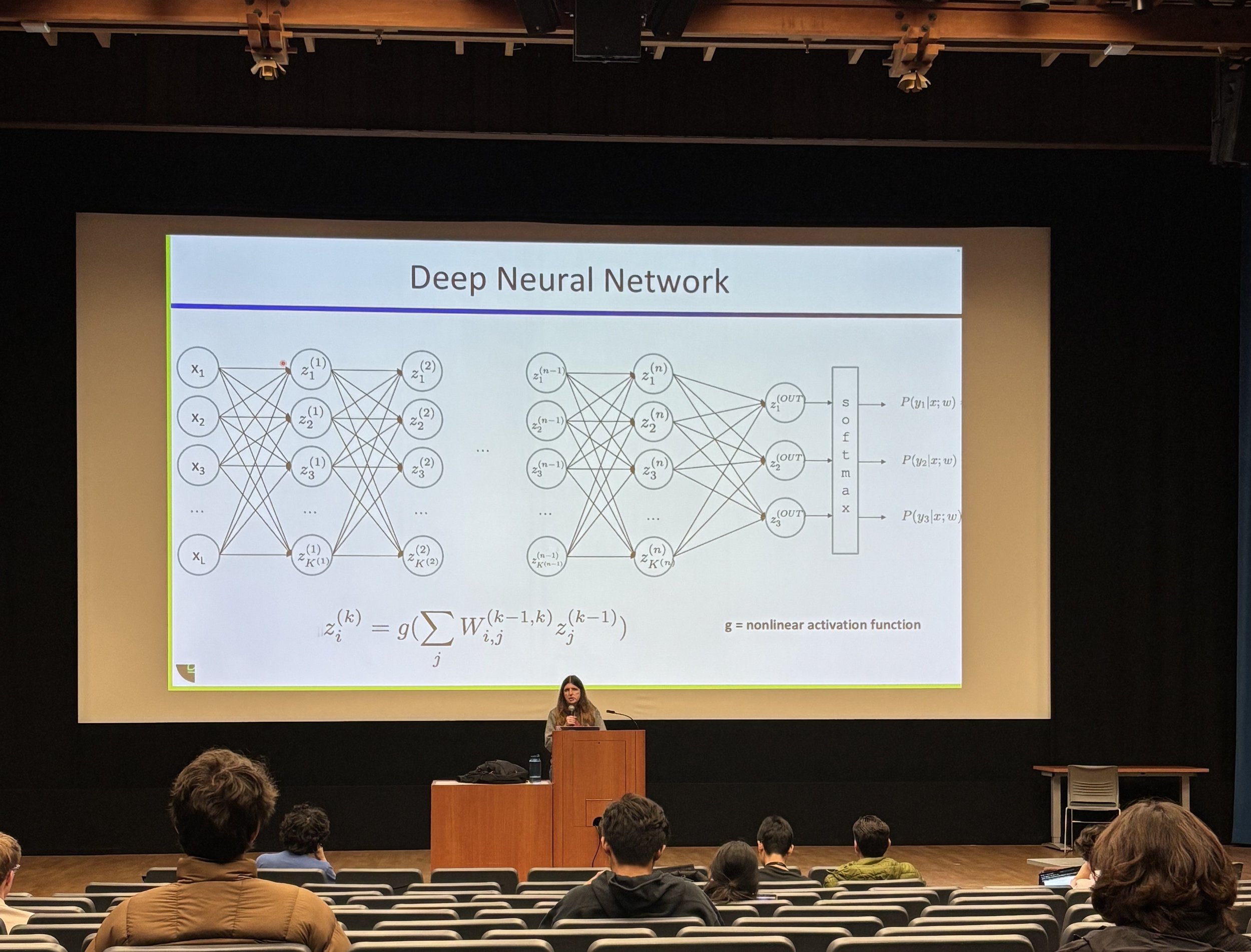
Image from Jørgens COMPSCI188 - Introduction to Artificial Intelligence class
Hacking in San Francisco
You can't study near Silicon Valley without getting your hands dirty in the tech scene. Jørgen recently participated in the Hacktoberfest hackathon in San Francisco, where his team aimed to build something with real business value: automating fuzz testing using AI.
Leveraging Large Language Models (LLMs), they built a solution that was technically feasible and commercially viable. Jørgen credits his time in ReLU for giving him the confidence to tackle the challenge.
"My experience from ReLU helped me feel comfortable setting up an AI project, choosing appropriate models, and working with LLMs," he explains.
Lessons for Norwegian Students
Reflecting on the differences between the two worlds, Jørgen believes students back home could learn a thing or two from the American mindset.
"I think Norwegian students could benefit from being a bit more hungry, optimistic, and willing to believe that they can contribute, even without knowing everything in advance," he says. He also notes that the competitive nature of Berkeley tech clubs—some requiring four to five rounds of interviews—pushes students to be sharper and more driven.
Looking Forward
So, where is AI going next? Jørgen sees a shift toward integration.
"I strongly believe that AI will become more integrated with companies’ own data... This is already happening, and Norway has several companies that are well positioned in this space."
Jørgen’s advice for those wanting to follow a similar path?
Be genuinely interested: You have to want to keep up with developments.
Learn the Math: It’s the foundation of everything in ML.
Be independent: Clubs like ReLU are great starters, but you need to put in the extra effort on your own.
"Approach large and difficult projects with an open and confident mindset," Jørgen concludes. "Many students convince themselves that they are not good enough to contribute, and with that mindset, you learn very little."